
Introducing India
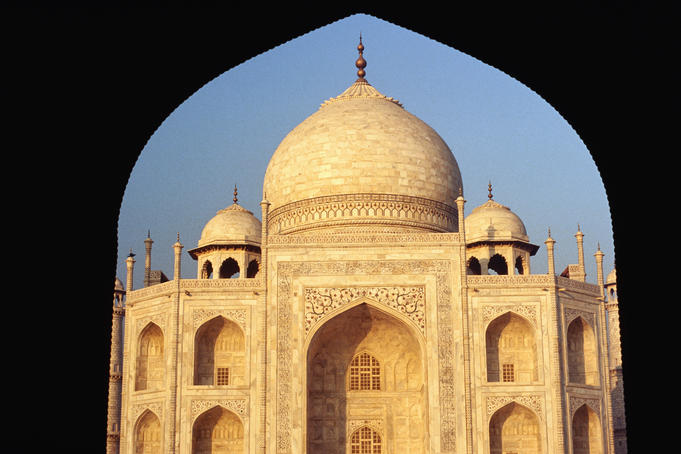


India offers myriad flavours mingling in the steam of a country coming of age.
Teeming with over a billion people who voice over a million concerns in fifteen hundred different languages, India is where people live with variety, thrive on diversity and are too familiar with largeness to let it boggle them.
Travellers and tourists to India may however not find it so undaunting. Mud huts and mansions face off across city streets and lurid luxury and limp living are inhabitants of the same lane. Just like in the ''masala'' box in every Indian kitchen, measures of Calm and "Kaam" (work)craft the people of India. In this beautiful and bountiful land that is India, events, experiences and sensations heap themselves on the tourist at every step. India will be one of the most stimulating places you’ll ever visit, so you must visit.
Some interesting facts about India you probably didn''t know:
The game of ''chess'' was invented in India. India as a country has the largest number of post offices in the world! The Indian Railways is the single largest employer in the world - 1.6 million employees at the last count.
Historically Speaking
Indian history can be roughly divided into the 6 periods of Ancient India, Medieval India, the years of the Company, colonial times as part of The Raj, the struggle for Independence and finally, post-Independence. India, the geopolitical entity as she stands today is a post-Independence phenomenon. It was as recently as "the stroke of the midnight hour" on 15th August 1947 when Nehru pronounced her "tryst with destiny" that India woke "to life and freedom".
One of man’s oldest civilizations was the settlement at the Indus Valley. The degree of sophistication that archaeologists found in their settlements almost belies the fact that these people lived almost 4000 years ago. The civilization had meticulously planned cities; streets met at right angles, the sewage system puts present day India to shame, and the tools and large granaries show that they knew more than a thing or two about agriculture. Seals of the Indus Valley have on them the only ancient script that is yet to be deciphered. The most important Indus Valley cities of Harappa and Mohenjodaro are in present day Pakistan.
One of man’s oldest civilizations was the settlement at the Indus Valley. The degree of sophistication that archaeologists found in their settlements almost belies the fact that these people lived almost 4000 years ago. The civilization had meticulously planned cities; streets met at right angles, the sewage system puts present day India to shame, and the tools and large granaries show that they knew more than a thing or two about agriculture. Seals of the Indus Valley have on them the only ancient script that is yet to be deciphered. The most important Indus Valley cities of Harappa and Mohenjodaro are in present day Pakistan.
The civilization died out
in the 1500 BC. The reasons are a still a matter of contention and they range from the coming of the central Asian Aryan tribes to the changing of the course of the Indus River. While both these are true, it’s difficult to ascertain that these are what brought the end of the Dravidian civilization in the Indus valley. By 300 BC the previously nomadic Aryans had settled down in the region of north India. They had brought with them Sanskrit, a member of the Indo-European family of languages akin to Latin and Greek. They also brought the spoken literature of the Hindu life-philosophy, horse-driven chariots and a social system of caste differentiation.
The following millennium saw the waxing and waning of empires. In the north the great dynasties were those of the Mauryas (300-200 BC) during which period Buddhism received royal patronage, and the Guptas during whose reign the subcontinent is said to have enjoyed a "golden period" (300-500 AD). The intervening period had new settlers like the Shakas and Kushanas forming lesser kingdoms in the area around the Ganges. The influence of these Aryan kingdoms rarely reached the south. Regional dynasties like the Andhras, Cheras, Pandyas and Cholas ruled kingdoms in the south of the Deccan Plateau and lower down the peninsula. When unable to withstand the pressures of central Asian invaders the Gupta Empire crumbled, the north got divided into strong regional kingdoms (except for a brief period from 606 to 647 under the poet king Harshavardhan). This was the time that the Rajputs grew to prominence in the west.
Within 300 years of being founded in the 7th century, Islam had reached the western parts. But it wasn’t until the coming of Turkish-Afghan raiders like Mahmud of Ghazni (997 to 1030 AD) and Muhammad Ghauri (in 1192) that Islam made significant inroads to the heart of north India. The first Muslim empire was set up by a general of Ghauri’s, Qutb-ud-din Aibak, which is when the Delhi Sultanate came into being. The temptation of privileges extended to the faithful, and Hinduism’s own severe caste system made many convert.
The Delhi Sultanate was ridden with internal strife and saw no less than 5 dynasties come to power between 1206 and 1526. In 1526 a young Central Asian warlord who had already captured Kabul, set his eyes on the vast land that lay to the south. Tales of riches had reached his ears and Babur, descendent of Genghis Khan and Timurlane made good his ancestral legacy by defeating the Sultanate’s armies in the Battle of Panipat.
In a land of oppressive heat, and such a variety of people that he could hardly make sense of it, Babur founded the Mughal dynasty. Babur began the work of bringing the delicate patterns of Islamic art, the detailed craft of miniature painting, the severe symmetry of formal garden craft to Delhi. Till Aurangzeb, the 6th king of the dynasty, the Mughals had a liberal policy of religious tolerance and that helped them weave together a largely stable and tight knit kingdom that spanned a larger territory than any previously had. It was a time of plenty and emperors like Jehangir (1605-1627) and Shah Jehan (1628-1657) could focus their attentions on art, architecture and culture. It was the time when the Taj Mahal was built, as was the Red Fort, and the coffers contained the Koh-i-Noor and the ruby and emerald studded Peacock Throne. Aurangzeb’s religious zeal won him widespread resentment. The Mughal Empire began unravelling, unable to withstand the Maratha chieftain Shivaji’s guerrilla warfare. The last really effective Mughal king was Bahadur Shah (1707-1712). After him Mughal power and prestige declined steadily.
The first British East India Company officials landed in India in 1602. Eventually their interests ceased to be purely mercantile as they assumed more political roles. After the Revolt of 1857, the Crown took over the reigns and India officially came to be a part of the vast British Empire. The Raj settled into ruling this vast dominion and did so till in 1947 when the country was handed back to the leaders of the freedom movement. Gandhi and Nehru led the largely non-violent movement from the front with the backing of Congress and the entire nation. However, partly because of the British ‘divide-and-rule’ policy and internal contradictions in the national movement itself, a communal divide came to be. When India finally achieved freedom, it was combined with the trauma of partition and the formation of Pakistan.
Nehru became the first Prime Minister of India on 15th August 1947 at the head of a Congress government. The Congress hegemony ended in the late 60s, but it came to power intermittently through the 70s and 80s. The Nehru legacy was strong enough to make both his daughter Indira (who declared the infamous internal Emergency), and grandson Rajiv, Prime Minister. In the 90s the era of coalition politics had begun and democracy had come of age.
The following millennium saw the waxing and waning of empires. In the north the great dynasties were those of the Mauryas (300-200 BC) during which period Buddhism received royal patronage, and the Guptas during whose reign the subcontinent is said to have enjoyed a "golden period" (300-500 AD). The intervening period had new settlers like the Shakas and Kushanas forming lesser kingdoms in the area around the Ganges. The influence of these Aryan kingdoms rarely reached the south. Regional dynasties like the Andhras, Cheras, Pandyas and Cholas ruled kingdoms in the south of the Deccan Plateau and lower down the peninsula. When unable to withstand the pressures of central Asian invaders the Gupta Empire crumbled, the north got divided into strong regional kingdoms (except for a brief period from 606 to 647 under the poet king Harshavardhan). This was the time that the Rajputs grew to prominence in the west.
Within 300 years of being founded in the 7th century, Islam had reached the western parts. But it wasn’t until the coming of Turkish-Afghan raiders like Mahmud of Ghazni (997 to 1030 AD) and Muhammad Ghauri (in 1192) that Islam made significant inroads to the heart of north India. The first Muslim empire was set up by a general of Ghauri’s, Qutb-ud-din Aibak, which is when the Delhi Sultanate came into being. The temptation of privileges extended to the faithful, and Hinduism’s own severe caste system made many convert.
The Delhi Sultanate was ridden with internal strife and saw no less than 5 dynasties come to power between 1206 and 1526. In 1526 a young Central Asian warlord who had already captured Kabul, set his eyes on the vast land that lay to the south. Tales of riches had reached his ears and Babur, descendent of Genghis Khan and Timurlane made good his ancestral legacy by defeating the Sultanate’s armies in the Battle of Panipat.
In a land of oppressive heat, and such a variety of people that he could hardly make sense of it, Babur founded the Mughal dynasty. Babur began the work of bringing the delicate patterns of Islamic art, the detailed craft of miniature painting, the severe symmetry of formal garden craft to Delhi. Till Aurangzeb, the 6th king of the dynasty, the Mughals had a liberal policy of religious tolerance and that helped them weave together a largely stable and tight knit kingdom that spanned a larger territory than any previously had. It was a time of plenty and emperors like Jehangir (1605-1627) and Shah Jehan (1628-1657) could focus their attentions on art, architecture and culture. It was the time when the Taj Mahal was built, as was the Red Fort, and the coffers contained the Koh-i-Noor and the ruby and emerald studded Peacock Throne. Aurangzeb’s religious zeal won him widespread resentment. The Mughal Empire began unravelling, unable to withstand the Maratha chieftain Shivaji’s guerrilla warfare. The last really effective Mughal king was Bahadur Shah (1707-1712). After him Mughal power and prestige declined steadily.
The first British East India Company officials landed in India in 1602. Eventually their interests ceased to be purely mercantile as they assumed more political roles. After the Revolt of 1857, the Crown took over the reigns and India officially came to be a part of the vast British Empire. The Raj settled into ruling this vast dominion and did so till in 1947 when the country was handed back to the leaders of the freedom movement. Gandhi and Nehru led the largely non-violent movement from the front with the backing of Congress and the entire nation. However, partly because of the British ‘divide-and-rule’ policy and internal contradictions in the national movement itself, a communal divide came to be. When India finally achieved freedom, it was combined with the trauma of partition and the formation of Pakistan.
Nehru became the first Prime Minister of India on 15th August 1947 at the head of a Congress government. The Congress hegemony ended in the late 60s, but it came to power intermittently through the 70s and 80s. The Nehru legacy was strong enough to make both his daughter Indira (who declared the infamous internal Emergency), and grandson Rajiv, Prime Minister. In the 90s the era of coalition politics had begun and democracy had come of age.
Habitat
From the highest point of the Kanchenjunga peak at 8598 meters to the lowest point at 0 meters at the Indian Ocean, India is the land that spells variety.
The 7th largest country in the world, it covers a total area of 3,287,590 sq km in area. It lies in south Asia jutting into the Indian Ocean in its south, undulating over the frozen wasteland of the Himalayas in the north, braving drought in its desert-like west and surviving fierce floods in its east. A substantial portion of northern India is the fertile plain where the great Gangetic riverine system irrigates vast expanses of the land bringing agrarian well being. The Deccan Plateau in Central India is rich in minerals. The Western and Eastern Ghats fringe the southern peninsula and are the setting for coffee, tea, cashew plantations, the Nilgiri langur and gaur, and the silversmith Toda tribal.
In the north-west, Pakistan borders India, and to the east lie China, Nepal, Burma, Bhutan and Bangladesh. To the south lies the teardrop shaped island nation of Sri Lanka. Beyond the peninsula the waters of the Bay of Bengal in the east, the Arabian Sea in the
west and the Indian Ocean at the very south wet the shores of India’s 7000 km long coastline. Great vanquishing rivers are worshipped. The Narmada, Godavari, Krishna, Cauveri, the Brahmaputra, Ganga and Yamuna criss-cross the terrain bringing prosperity and fertility and often wreaking havoc in flood. They inspire songs and they bring misery; increasingly they are bringing hydroelectric power to millions across the country.
The Tropic of Cancer splits India in half. Sub tropical jungles house the Royal Bengal tiger, multiple species of deer and antelope, the Asian elephant, the Common, Golden and Nilgiri langurs, the one horned rhino in the forests of Assam, prides of Asiatic lions in the dry wilds of Sasan Gir in the west. And there is much more: river dolphins in the Ganges and Brahmaputra, crocodiles, waters that are teeming with mahseer, trout, carp, fresh water prawns, woods with fishing cat, civets, leopard, the cobra, krait and python, the grey mongoose, the gaur, the sloth bear.
There are over 1200 bird species including the Great Indian Bustard, the Malabar hornbill, Paradise Flycatcher, cormorants, egrets, darters and migratory Siberian cranes in the winter. India’s jungles, rivers, streams are simply bursting with wildlife, much of it protected in her 80 National Parks and 441 Sanctuaries. Camels in the deserts of Rajasthan, stoic yaks, sure-footed Himalayan Tahr and mountain goats in the north extend the scope beyond just that which is typical to Asian sub tropical forests of sal, shisham and teak. There are mangrove forests in the east and evergreen conifers in the upper climes of Himachal Pradesh and Jammu and Kashmir.
Common flowers include roses, bougainvilleas, sunny marigold, water lilies, lotus and fragrant jasmine. In the breathtaking Valley of Flowers a sea of lilies, poppy, daisies, holly, pansy, geranium, zinnia, petunia, fox, caryopsis dianthus, saxifrage and calendula stretches out in the shadow of towering snowbound Himalayan peaks.
The Tropic of Cancer splits India in half. Sub tropical jungles house the Royal Bengal tiger, multiple species of deer and antelope, the Asian elephant, the Common, Golden and Nilgiri langurs, the one horned rhino in the forests of Assam, prides of Asiatic lions in the dry wilds of Sasan Gir in the west. And there is much more: river dolphins in the Ganges and Brahmaputra, crocodiles, waters that are teeming with mahseer, trout, carp, fresh water prawns, woods with fishing cat, civets, leopard, the cobra, krait and python, the grey mongoose, the gaur, the sloth bear.
There are over 1200 bird species including the Great Indian Bustard, the Malabar hornbill, Paradise Flycatcher, cormorants, egrets, darters and migratory Siberian cranes in the winter. India’s jungles, rivers, streams are simply bursting with wildlife, much of it protected in her 80 National Parks and 441 Sanctuaries. Camels in the deserts of Rajasthan, stoic yaks, sure-footed Himalayan Tahr and mountain goats in the north extend the scope beyond just that which is typical to Asian sub tropical forests of sal, shisham and teak. There are mangrove forests in the east and evergreen conifers in the upper climes of Himachal Pradesh and Jammu and Kashmir.
Common flowers include roses, bougainvilleas, sunny marigold, water lilies, lotus and fragrant jasmine. In the breathtaking Valley of Flowers a sea of lilies, poppy, daisies, holly, pansy, geranium, zinnia, petunia, fox, caryopsis dianthus, saxifrage and calendula stretches out in the shadow of towering snowbound Himalayan peaks.
People & Language
The fabric of Indian society is woven with myriad threads. The result is multi-textured, many layered and though this diversity has fuelled some dissension, it continues to be India’s strength. One of the most marked things about Indian society is the great diversity. This applies to religion, ethnicity and language as much as to the economic situation. The yawning gap between the rich and the poor is bridged by a large middle class of small businessmen, professionals, bureaucrats etc.
Most Indians actively practice their religion, and despite the creeping westernisation, most of India is socially orthodox. That means that caste distinctions have not been forgotten, man-woman interaction may be frowned upon, and the public display of affection is strictly no-no. The cow is sacred and ‘all ye who forget that-be doomed’. The left hand, which is an indispensable tool for Indian ablutions, is considered impure and isn’t used in passing things around.
On the whole the Indians are a warm welcoming people. The guest is next only to God and crooks and touts notwithstanding, and curious looks and probing questions
notwithstanding, you’ll find that they are great hosts. Their idiosyncrasies just make it all the more interesting; be patient and you will learn to love the complete package.
The national language of India is Hindi, which in one form or another is spoken all over the north. In the Deccan (south India), the languages are completely different. The states were formed on the basis of language so each has its own. On the whole though, dialects, accents, idioms and linguistic flourishes change every few miles. There are 18 official languages but over a thousand recognised dialects. English is widely spoken
India probably has the most religious diversity in any country. It’s the birthplace of Hinduism, Buddhism, Sikhism and Jainism. It’s among the few places to have a resident Zoroastrian population. The Syrian Christian Church is well established in Kerala; the Basilica of Bom Jesus in Goa, old churches in Calcutta and Delhi, synagogues in Kerala, temples from the tiny to the tremendous, ‘stupas’, ‘gompas’ and the Bodhi tree, the Ajmer Sharif and Kaliya Sharif in Bombay, all reflect the amazing multiplicity of religious practice in India. Tribal people in the northeast, Madhya Pradesh and Gujarat practice forms of nature worship.
Secularism is enshrined in the Constitution.
Food
From DC to Dakota, Warwick to what-have-you, Indian spices are letting off steam everywhere in the whole wide world. And you come to India and realise......hey, there’s nothing authentic about it! Every kitchen, every man, woman, cook, chef does it different.
A meal in the north would typically constitute chapattis or rice with dal (lentil curry) and a dish of vegetables or meat. Pappads (wafers fried or toasted to a crisp), yoghurt and pickle are usual accompaniments. The chapatti is a round flat unleavened bread of which you tear bits to scoop the curry. Variations of the chapatti are paratha, poorie, bhatoora, and Tandoori naans.
Idli, dosa, vada, sambar, uppama! In the south, too, a meal centres on a base of rice, or as in the South –Indian case, semolina preparation. The idli is a steamed rice cake and the crisp salty pancake often stuffed with potatoes is the dosa. Eaten alongside is the South-Indian dal - "sambhar", sour, hot, souped -up with vegetables. The Brahmins are vegetarian, but the rest consume sour-hot fish, mutton, and chicken with gusto. In Kerala seafood is simmered in coconut milk and
delicately flavoured with curry leaves. Most Indians eat three meals, each one full-fledged.
Savoury snacks like pakoras pep the evening cuppa. Anything coated in batter (of chickpea, flour et al) and deep-fried will pass for pakora. Also, readily available on the roadside are snacks like bhel puri (spiced up puffed rice) and paapri chaat (wafers and boiled potato doused in curd and sauces). Vegetarians will feel like they’ve come home, specially in the south. But no matter where you are, in a plush restaurant or a roadside ‘dhaba’, in Kunnur or Kullu, you can be sure of sumptuous vegetarian meals.
All along the coast and extensively in the northeast fish is consumed almost as a staple. Both fresh water and sea fish are popular. Indians love their sweets. There is great regional variety and among the most popular types is the Bengali "mishti".
There’s also a huge variety in drinks. Besides ‘chai’ (tea) and coffee, sweetened/salty churned yoghurt called lassi, the ubiquitous ‘neemboo-pani’ or lemon-water, fruit juice in tetra packs and aerated drinks are readily available in India. IMFL expands into Indian made Foreign Liquor and spans the entire range from beer to whiskey. Some examples of local brews are ‘chaang’ in Arunachal, toddy in the South and Goa’s famous ‘feni’.
Savoury snacks like pakoras pep the evening cuppa. Anything coated in batter (of chickpea, flour et al) and deep-fried will pass for pakora. Also, readily available on the roadside are snacks like bhel puri (spiced up puffed rice) and paapri chaat (wafers and boiled potato doused in curd and sauces). Vegetarians will feel like they’ve come home, specially in the south. But no matter where you are, in a plush restaurant or a roadside ‘dhaba’, in Kunnur or Kullu, you can be sure of sumptuous vegetarian meals.
All along the coast and extensively in the northeast fish is consumed almost as a staple. Both fresh water and sea fish are popular. Indians love their sweets. There is great regional variety and among the most popular types is the Bengali "mishti".
There’s also a huge variety in drinks. Besides ‘chai’ (tea) and coffee, sweetened/salty churned yoghurt called lassi, the ubiquitous ‘neemboo-pani’ or lemon-water, fruit juice in tetra packs and aerated drinks are readily available in India. IMFL expands into Indian made Foreign Liquor and spans the entire range from beer to whiskey. Some examples of local brews are ‘chaang’ in Arunachal, toddy in the South and Goa’s famous ‘feni’.
Culture & Crafts
Music: Much of India’s classical music is devotional and a lot of that, devoted to the flute playing god, Krishna. The North Indian Hindustani and South Indian Carnatic streams are distinct and both have a complex ‘raga’ framework. Ghazals in Urdu reflect on life and are light on the ear. Every region has a distinctive folk tradition too. Instruments that would typically accompany Indian music are the stringed veena, sitar, and the Indian drum: tabla or mridangam in the south.
Dance: The legacy of dance in India is tremendous. On temple walls, on an urban stage, in impromptu bursts by a mellow evening fire, men and women twinkle their toes in expression of joy. The classical dances of India are numerous. Characterised by stylised movements and elaborate costumes, these dances communicate age-old tales of love, longing and rage. Kathakali of Kerala, Bharatnatyam of Tamil Nadu, Kuchipudi of Andhra Pradesh, Manipuri and Odissi from Orissa are the prominent dance forms in this country that sways to an altogether novel beat. The robust bhangra of Punjabi men, the graceful whirling of Rajasthani women,
the gentle sway of northeastern dancers, vigorous tribal dances, every corner has developed it’s own unique form.
Theatre: There is a robust theatrical tradition. The Yakshagana, nautanki and puppetry are ancient folk forms that live on till date. This tribe of wandering performers is on the decline but there still are occasional performances on the rudimentary stages of the rural areas. Rustic and coarse the flavour might be, but the techniques are surprisingly sophisticated. There is a growing body of contemporary work both in English and in the vernacular.
Art: The earliest specimens of Indian painting are the ones on the walls of the Ajanta Caves dating back to 2nd century BC. The typical ‘figures in profile’ art of India came to be when the Jain manuscripts were being illustrated. The Mughals had a huge impact on Indian art. The miniature, which had been only on palm leaves in the northeast, came into prominence. The influence of Persian art brought placid garden scenes, illustrations from myths, legends and history into Indian art. Later schools include the Bengal School of Tagore and the Company School of European influence. More recently the opulent paintings of Raja Ravi Varma, the paintings of M.F. Hussain, Jamini Roy and Ganesh Pyne among others rule the art scene.
Crafts: Word craft, handicrafts, architecture and sculpture all contribute to this rich and varied domain. Indian literature, both in English and in the vernacular, is ever more popular around the world. Handicrafts are as varied as the country itself. The Mughal and colonial structures and the temple architecture across the length and breadth of the country are testaments to the lands exciting past. Sculptures adorn temple walls, stupas, street junctions and ancient caves. The oldest schools are the Gandhara and the Mathura.
Movies: The Hindi movie industry is the most prolific in the world. Based in Bombay, hence Bollywood, this spool-spitting machine takes on the onerous responsibility of fuelling India’s prime passion. There is sheer joy in the easy stereotypes of muscle-flexing machismo, leering villainy and leading ladies of Hindi filmdom, but not all Hindi films are a simmering brew of action, romance, and song and dance. There is a parallel stream of "art" cinema though it’s not nearly half as popular as the "commercial" stream. Giving competition to the Bollywood masala film is the equally spicy south Indian fare. Regional cinema is fairly popular in its local context and with serious cinema-goers.
Cricket! Oh for the love of a six-er! India grinds to a halt when the country’s eleven don their colours. In cricket-crazy Calcutta, old folk gather to trash the ‘new fangled’ limited-overs format; in front of a million TV sets, four million pray for victory (often knowing they’re praying for a miracle!) tirelessly. It’s a mad-mad-mad world and in India cricket stars adorn the doors of innumerable cupboards.
Theatre: There is a robust theatrical tradition. The Yakshagana, nautanki and puppetry are ancient folk forms that live on till date. This tribe of wandering performers is on the decline but there still are occasional performances on the rudimentary stages of the rural areas. Rustic and coarse the flavour might be, but the techniques are surprisingly sophisticated. There is a growing body of contemporary work both in English and in the vernacular.
Art: The earliest specimens of Indian painting are the ones on the walls of the Ajanta Caves dating back to 2nd century BC. The typical ‘figures in profile’ art of India came to be when the Jain manuscripts were being illustrated. The Mughals had a huge impact on Indian art. The miniature, which had been only on palm leaves in the northeast, came into prominence. The influence of Persian art brought placid garden scenes, illustrations from myths, legends and history into Indian art. Later schools include the Bengal School of Tagore and the Company School of European influence. More recently the opulent paintings of Raja Ravi Varma, the paintings of M.F. Hussain, Jamini Roy and Ganesh Pyne among others rule the art scene.
Crafts: Word craft, handicrafts, architecture and sculpture all contribute to this rich and varied domain. Indian literature, both in English and in the vernacular, is ever more popular around the world. Handicrafts are as varied as the country itself. The Mughal and colonial structures and the temple architecture across the length and breadth of the country are testaments to the lands exciting past. Sculptures adorn temple walls, stupas, street junctions and ancient caves. The oldest schools are the Gandhara and the Mathura.
Movies: The Hindi movie industry is the most prolific in the world. Based in Bombay, hence Bollywood, this spool-spitting machine takes on the onerous responsibility of fuelling India’s prime passion. There is sheer joy in the easy stereotypes of muscle-flexing machismo, leering villainy and leading ladies of Hindi filmdom, but not all Hindi films are a simmering brew of action, romance, and song and dance. There is a parallel stream of "art" cinema though it’s not nearly half as popular as the "commercial" stream. Giving competition to the Bollywood masala film is the equally spicy south Indian fare. Regional cinema is fairly popular in its local context and with serious cinema-goers.
Cricket! Oh for the love of a six-er! India grinds to a halt when the country’s eleven don their colours. In cricket-crazy Calcutta, old folk gather to trash the ‘new fangled’ limited-overs format; in front of a million TV sets, four million pray for victory (often knowing they’re praying for a miracle!) tirelessly. It’s a mad-mad-mad world and in India cricket stars adorn the doors of innumerable cupboards.
Where to Stay
There’s enough variety in tourist accommodation in India for the visitor to always find comfort; degrees of luxury though will be directly proportionate to the degree of the depth of your pocket. Hotels are graded on the star system: 5-star being fully air conditioned, with a coffee shop, multiple speciality restaurants, pool, sauna, Jacuzzi, health centre, in-house shopping and all the razzmatazz. Down to hostels, ashrams, and Public Works’ guesthouses at the other end of the spectrum: dormitory style living with rationed hot water (just about enough for a decent shave!), no-smoking no-drinking restrictions and curfew!
There are numerous other options and you’ll never be stuck in a heap because there isn’t a choice. Even the smallest tourist destination has mid-rung establishments. Some have common bathrooms but there usually will be the option of renting a room with an attached bathroom. Some mid-rung establishments are better than others. There are many that have cosy atmosphere and make up in character what they lack in frills.
In many wildlife sanctuaries, there is accommodation in the park’s buffer
zone. Forest guesthouses are very basic accommodation, and some require you to bring your own provisions, but their privileged location more than compensates.
Heritage hotels and palace hotels are probably an Indian peculiarity. Some old rajahs, especially in Rajasthan, have converted part of their palaces into hotels. These give the visitor a great shot at savouring famed Indian hospitality at its quaint and genteel best. The government is promoting Home Stays where some pre-approved families provide paying guest accommodation and this has taken off in a big way in Tamil Nadu and Rajasthan.
There are beach resorts that give you access to exclusive sand so you may sun and surf in style. Houseboats in Kashmir, hardy little huts along trekking trails and numerous camping sites only widen the range that the traveller can choose from. Home stays are fast catching on and have become quite popular. This is a great way to get an insight as to how Indian families live.
Heritage hotels and palace hotels are probably an Indian peculiarity. Some old rajahs, especially in Rajasthan, have converted part of their palaces into hotels. These give the visitor a great shot at savouring famed Indian hospitality at its quaint and genteel best. The government is promoting Home Stays where some pre-approved families provide paying guest accommodation and this has taken off in a big way in Tamil Nadu and Rajasthan.
There are beach resorts that give you access to exclusive sand so you may sun and surf in style. Houseboats in Kashmir, hardy little huts along trekking trails and numerous camping sites only widen the range that the traveller can choose from. Home stays are fast catching on and have become quite popular. This is a great way to get an insight as to how Indian families live.
What to Pack
Carry a combination plug that will feed into a round-pin socket: across the subcontinent plug point sockets are round rather than flat. Winters in the north are cold but days in the plains are sometimes sunny. Carry a combination of heavy woollens and light jumpers. It’s coldest from mid-December to mid-January. Get yourself an umbrella or raincoat. It’s always raining some region or another. In the summer be armed with sun protection: sunglasses, cap/hat, cream with a minimum SPF of 20.Bring prescription medicines and an extra pair of spectacles/contact lenses (though opticians abound in cities). A sleeping bag and a bed sheet are a must for budget travellers.
Travel Documents
All visitors are required to carry a passport valid at least for the next 6 months. Visa exemptions include:1. Bhutanese and Nepalese visitors who are staying for less than 3 months.
2. Nationals from the Maldives, if they are staying for a maximum of 90 days (this includes any periods they may have spent in India up to 6 months prior to the visit in question).
3. Transit passengers who have a follow-on ticket within 72 hours of arrival as long as they are not going to leave the airport.
Special restrictions apply to Pakistani and Afghan nationals. Its always wise to check updated visa requirements prior to travel.
Tourist info Centers
Government of India Tourist Office (GITO), 88 Janpath, New Delhi 110001. Tel: (11) 23320342, (11) 23320005, (11) 3320008 and (11) 23320266 Fax: (11) 23320109 India Tourism Development Corporation (ITDC), L 1 Connaught Place, New Delhi 110001. Tel: (11) 23320331 and (11) 23322336 Fax: (11) 23320331 States have their own individual tourism boards that promote and organise travel within the state.Best Time to Visit
The best time to visit India is between October and March. The summer heat has abated by then in the northern plains and in Rajasthan’s arid landscape. The wet Northeast becomes somewhat drier, the south becomes a breathtaking scene of swaying coconut palms and rain showers spray Tamil Nadu. Most of India’s colourful festivals are in this period. Dussehra, which is celebrated like Guy Fawkes Day but with dramatis personae from the epic drama of Ramayana, is followed 20 days later by the festival of light, firecrackers and joyous pyrotechnics, Diwali. Come March, come Holi: coloured powder, water fights and sweetmeats!
Besides these that are universal favourites across the country, there are regional festivals. Harvest festivals, car festivals, dance festivals and numerous temple celebrations pepper south India’s calendar in December-January. Pretty Pushkar in Rajasthan holds Asia’s largest camel fair in November; Mardi Gras in Goa and the muezzin’s call heralding Id. The winter is also ideal for wildlife enthusiasts.
The major deterrent to visiting during any other time is the heat. However, the months from
March-May and September-November are prime trekking time in the Himalayas, and if you plan to concentrate on hilly areas then this is a better period in which to visit.
Climate
In a country where topography varies wildly, climatic conditions are only bound to vary wildly too. Classified as a hot tropical country by many, that is a definition that holds true for most of but not all of India. Exceptions include the northern states of Himachal Pradesh and Jammu & Kashmir in the north and Sikkim in the northeastern hills.
In most of India summer is hot. It begins in April and continues till the beginning of October. The heat peaks in June with temperatures in the northern plains and the west soaring above 46° C. The monsoons hit the country during this period too, beginning 1st of June when they are supposed to find the Kerala coast. Moisture laden trade winds sweep the country bringing relief to a parched northern India but devastation in the east where the rivers Brahmaputra and Ganga flood annually. Tamil Nadu in the south receives rainfall between October and December, beneficiary of the retreating monsoons.
India’s extensive coastline lies almost entirely below the Tropic of Cancer. The coast is usually warm and moist, prone to heavy rains in the monsoons and high summer temperatures.
The eastern coast is vulnerable to cyclones. Winters here are mild and pleasantly sunny.
Hill Stations are the happy peculiarity that came up here when British wives and officers needed to flee the oppressive heat and malaria of the plains. Quaint towns that buzz along "mall roads", tucked away in hills all over India, they are now weekend getaways at the height of summer for families and couples from India’s cities.
The plains in the north and even the barren countryside of Rajasthan reel under a cold wave every year in December-January. Minimum temperatures could dip below 4° C but maximum temperatures usually do not fall lower than 12° C. In the northern high altitude areas of Himachal Pradesh, Jammu & Kashmir, Sikkim, and parts of Uttar Pradesh, it snows through the winter and even summer months are only mildly warm. The east receives rain from April to August. September to November is relatively dry and the region only has sporadic showers. There are winter rains in December and January. This abates for two months and then it’s time for the monsoon season yet again. The central plateau has similar climate to the north but the mercury does not dip as low in winter. It rains from mid-June to September.
Hill Stations are the happy peculiarity that came up here when British wives and officers needed to flee the oppressive heat and malaria of the plains. Quaint towns that buzz along "mall roads", tucked away in hills all over India, they are now weekend getaways at the height of summer for families and couples from India’s cities.
The plains in the north and even the barren countryside of Rajasthan reel under a cold wave every year in December-January. Minimum temperatures could dip below 4° C but maximum temperatures usually do not fall lower than 12° C. In the northern high altitude areas of Himachal Pradesh, Jammu & Kashmir, Sikkim, and parts of Uttar Pradesh, it snows through the winter and even summer months are only mildly warm. The east receives rain from April to August. September to November is relatively dry and the region only has sporadic showers. There are winter rains in December and January. This abates for two months and then it’s time for the monsoon season yet again. The central plateau has similar climate to the north but the mercury does not dip as low in winter. It rains from mid-June to September.
Things To Do
Sights
Sights that enthral and appall. When Foster wrote his Passage to India in the 1920s he reached the stunning conclusion that there are "a hundred Indias". There are. And if you go out to discover each of these you can count on spending at least a year in this stupendous country with its phenomenal repertoire of surprises and delights. Blessed with probably the widest array of topographical and cultural diversity that was ever packed into one time zone, there’s an India for everyone.
India’s jungles, rivers and streams are simply bursting with wildlife; much of it protected in her 80 National Parks and 441 Sanctuaries. Popular ones are Corbett, Rajaji and Dudhwa (Uttar Pradesh), Kanha, Pench (Madhya Pradesh) and Sasan Gir (Gujarat). Sariska and Ranthambor (Rajasthan), Kaziranga, Manas (Assam), Mudumalai, Bandipore and Wyanad (Nilgiri Biosphere Reserve-Tamil Nadu, Karnataka, Kerala) are the other well known game sanctuaries. Keoladeo Ghana, Bharatpur (Rajasthan) is a famous bird sanctuary. Find yourself as you lose the cares of life in the city.
The temple trail in India just trails on and on
and on.... winding past the monuments of man’s love for the divine. The gilded gurudwara in Amritsar, ancient weather-beaten cathedrals in Goa, ‘dargahs’ (mausoleums) of Muslim saints and grand temples to the innumerable Hindu deities; these houses of worship are as precious as works of art.
Catch the trail as it runs through Ajmer, Delhi, Fatehpur Sikri, Varanasi, Madurai, Sarnath, Gaya, Orchha, Tanjore, Trichy, Tirupati, Mathura, Ayodhya, Jammu, Badrinath, Haridwara and Rishikesh. The legacy of spiritual succour lives on in the land of exotica. In Pune, Pondicherry, Puttaparthy and Dharamsala, Osho, Auroville, the Sai Baba and Buddhist monks explore a new life, of what is and what could be.
Explore the same along turquoise blue and breezy beaches along the coast. Windswept or sunny, India’s beaches are peculiarly Indian. Crowded and cheery, sometimes dirty, always delightful, you’ll find them in Kerala’s Kovalam, in the Andamans and Lakshadweep, in Goa, quiet Gokarna, and ‘templescaped’ Puri, Kanyakumari and Mahabalipuram.
Ruins of forts, palaces, picturesque ‘havelis’ (large private houses) and mausoleums pepper the landscape. In and around Delhi, Agra, Rajasthan, all over the country actually, historical sites intrigue the history enthusiast. Important sites are Hampi, Khajuraho, Mandu, Aurangabad, Bikaner, Goa, Gwalior, Jaipur, Jaisalmer, Jodhpur, Udaipur, Mahabalipuram, Tanjore and Mysore.
Museums, business centres, nightlife, large markets, embassies and consulates mark space in the bigger cities of India. Bustling with activity, bristling with high voltage energy, busy-busy-busy, New Delhi, Mumbai, Chennai, Calcutta, Bangalore, Pune and Hyderabad make up India’s urban landscape. The world’s highest mountains form a tall 2500 km long wall along India’s northeast frontier and are prime climbing territory for the outdoor types. The mountainous regions of Sikkim, Himachal Pradesh and Leh are high altitude trekking options.
The "blue mountains" of the Nilgiri Hills in the Deccan, and the lower reaches of the Himalayas in Garhwal, Kumaon and around Darjeeling are simpler and ideal for a leisurely hike. From stark white mountains framed against sheer clear blue to forested hills that enclose rushing streams, there is endless variety for the hiker. In the hills, in tiny towns with winding ‘mall roads’ survive the British legacy of "hill stations". These cool getaways from the simmering plains continue to entertain weekend tourists in the summers. Shimla, Manali, Kasauli and Mussoorie in the north, Shillong, Darjeeling and Kalimpong in the east, Ooty and Munnar in the south are the most popular.
So much to do, so much to see.....so little time! That holds completely true for the Indian experience. Don’t push yourself to do it all because that’s well nigh impossible but choose well and plan little, open your mind and be gathered up by the experience that the world calls "India".
Catch the trail as it runs through Ajmer, Delhi, Fatehpur Sikri, Varanasi, Madurai, Sarnath, Gaya, Orchha, Tanjore, Trichy, Tirupati, Mathura, Ayodhya, Jammu, Badrinath, Haridwara and Rishikesh. The legacy of spiritual succour lives on in the land of exotica. In Pune, Pondicherry, Puttaparthy and Dharamsala, Osho, Auroville, the Sai Baba and Buddhist monks explore a new life, of what is and what could be.
Explore the same along turquoise blue and breezy beaches along the coast. Windswept or sunny, India’s beaches are peculiarly Indian. Crowded and cheery, sometimes dirty, always delightful, you’ll find them in Kerala’s Kovalam, in the Andamans and Lakshadweep, in Goa, quiet Gokarna, and ‘templescaped’ Puri, Kanyakumari and Mahabalipuram.
Ruins of forts, palaces, picturesque ‘havelis’ (large private houses) and mausoleums pepper the landscape. In and around Delhi, Agra, Rajasthan, all over the country actually, historical sites intrigue the history enthusiast. Important sites are Hampi, Khajuraho, Mandu, Aurangabad, Bikaner, Goa, Gwalior, Jaipur, Jaisalmer, Jodhpur, Udaipur, Mahabalipuram, Tanjore and Mysore.
Museums, business centres, nightlife, large markets, embassies and consulates mark space in the bigger cities of India. Bustling with activity, bristling with high voltage energy, busy-busy-busy, New Delhi, Mumbai, Chennai, Calcutta, Bangalore, Pune and Hyderabad make up India’s urban landscape. The world’s highest mountains form a tall 2500 km long wall along India’s northeast frontier and are prime climbing territory for the outdoor types. The mountainous regions of Sikkim, Himachal Pradesh and Leh are high altitude trekking options.
The "blue mountains" of the Nilgiri Hills in the Deccan, and the lower reaches of the Himalayas in Garhwal, Kumaon and around Darjeeling are simpler and ideal for a leisurely hike. From stark white mountains framed against sheer clear blue to forested hills that enclose rushing streams, there is endless variety for the hiker. In the hills, in tiny towns with winding ‘mall roads’ survive the British legacy of "hill stations". These cool getaways from the simmering plains continue to entertain weekend tourists in the summers. Shimla, Manali, Kasauli and Mussoorie in the north, Shillong, Darjeeling and Kalimpong in the east, Ooty and Munnar in the south are the most popular.
So much to do, so much to see.....so little time! That holds completely true for the Indian experience. Don’t push yourself to do it all because that’s well nigh impossible but choose well and plan little, open your mind and be gathered up by the experience that the world calls "India".
Shopping
All over India makeshift markets line streets. Paan-sellers dot market corners, villages have busy market-days, deserted mountain trails boast lone tea-stalls that count as a whole settlement, and city roads all lead to snazzy malls! While shopping has always been big for Indians, as current trends go, ‘Indian’ is now big in shopping.
Ethnic chic, glitz and kitsch, whether it’s clothes, carpets or clutter, if it’s Indian, it’s in! To name a little that could fill your bags: Kashmiri carpets that rival Persian rugs or rugged durries of natural fibre in vibrant colours and rural motifs. Perfumes extracted from the sweetest of flowers, opulent silks and block-printed cotton. Beads and trinkets, silver and gold, mirror-work Rajasthani skirts, tie-and-dye, inexpensive leather ware, and statues in metal or stone.
Look out for the bright red, yellow, green and blue handloom from the ‘seven sisters’ in the Northeast; Karnataka Bidriware (silver inlay on blackened white metal); Kanjeevaram and Benaras saris with gold woven into multihued silks; beads, bangles and other ornaments everywhere; shell craft, pretty sandals,
kurta and pyjamas at Delhi’s designer shops, brass from UP, bronze in the south; Darjeeling tea, and Coorg coffee.
Activities
For the thrill seeking traveller India is an all-in-one deal. The Indian Himalayas and the many hill formations present the trekker with innumerable hiking and trekking options. The wildlife sanctuaries, whether in the ‘sholas’ of southern India or the thick teak forests of the east, whether in the ‘sal’ and ‘shisham’ jungles of the north or the scrub of the west, are for the nature enthusiast. White water rafting in the rapids of the Himalayan rivers, ‘kettuvalam’ cruises in the Keralan backwaters, snorkelling, diving, water-skiing, beach bumming along India’s extensive coastline, there’s enough to make a water lover happy. There are many centres for adventure sports like parasailing and paragliding. Skiing in the Alps it is not, but for beginners the slopes in Auli and the more difficult ones in Spiti would provide some thrill. Some hotels and clubs allow non-guests/members pay-and-play use of swimming pools and golf links.
Cricket is special in India. It’s as much about twenty-two guys and a ball as about the beat of drums and blasts from trumpets, painted faces and flag-waving,
and cheering (and jeering) enthusiasm. Try and catch the buzz at least once – the recently introduced IPL T20 format is a huge hit all over the country and for the six weeks in April – May, the country sits glued to the television screens every evening!
Night out
The call of "Chai-garam" proclaims the availability of hot tea on obscure railway platforms, and if you are tempted you’ll singe your tongue to one of the truest Indian experiences with food and drink. From the foil packed dinner trays that is railway dining to the gourmet meals on dull silver that is fine dining, it’s all available in India.
In the cities the most popular international cuisines are Chinese, Italian, ‘Continental’/European and Thai. Lasagna, pasta, chop suey and red curries abound on menus. The most widely available Indian foods are definitely Mughlai and south Indian. Harking back to the days of the Mughals, Mughlai cuisine relies on aromatic spices, and succulent meats either curried or roasted in a tandoor and it can be very heavy. South Indian food is predominantly vegetarian, light and tangy.
Frothy coffee that sizzles out of a bright machine, chicken burger served up in a jiffy and with a smile; fast food has come into its own in India. Many worldwide chains have set up shop in India’s cities and from Pune to Delhi, the American get-and-go eating experience is yours for the asking.
Originally the truckers’ meal deal, ‘dhabas’ have proliferated along the highways and cater to all wayfarers. These shack establishments serve some great food at hard to beat prices, but since plates are not cleaned in the clearest of waters this dining experience may not be too safe.
Theatre and the arts are feted in the urban centres of Delhi, Bombay, Madras, Calcutta, Pune and Bangalore. Hollywood fare also reaches the big screens here almost the same day of their American release. The Hindi movie, that quintessentially Indian phenomenon, is a must-see. Slake your thirst for nightlife and twinkle any tingling toes at the pubs, nightclubs and discos. There is little by way of entertainment in the smaller towns and cities except the cinema halls and maybe the odd locally produced cultural show.
Events
India’s calendar is full of very special events: festivals of religion, harvests and culture are celebrated with aplomb. India has three national holidays when all establishments across the country are compulsorily closed: 15th August-Independence Day, 2nd October-Gandhi’s birthday and 26th January-Republic Day, which is an extravaganza of a parade.
Festivals and holidays differ in different regions and some are universally appreciated across the country. The winter festival of lights, Diwali, is celebrated in cities, towns and dusty villages with twinkling lamps and fireworks. Spring brings myriad hues to the world around and also the festival of Holi - a happily messy rite of water and colour. The harvest brings joy and festivities of another order and is celebrated as Pongal in the south, and Bihu in the east and Baisakhi in the north. Christmas in Goa is still the most special but the cheer spreads everywhere. The month of Ramadan and feasting is important to Muslims. Other important religious events include Id-ul-Fitr, Id-ul-Zuha, the Prophet’s birthday, Good Friday, Dussehra, Buddha Purnima (Buddha’s birthday) and
Guru Nanak’s birthday.
Besides these, dance festivals in southern temple towns in December and car festivals of Puri and Madurai when the temple chariots are wheeled around the city, and the Nehru Cup boat race in the Kerala''s backwaters (second Saturday of August) bring more occasions to celebrate.
Besides these, dance festivals in southern temple towns in December and car festivals of Puri and Madurai when the temple chariots are wheeled around the city, and the Nehru Cup boat race in the Kerala''s backwaters (second Saturday of August) bring more occasions to celebrate.


