Showing posts with label United States Of America. Show all posts

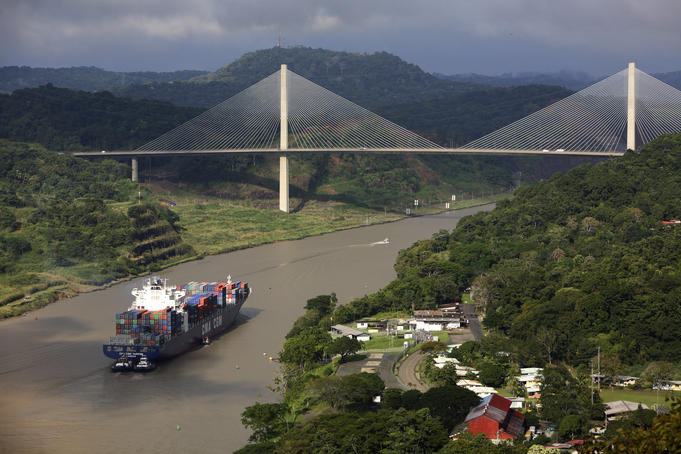
Panama

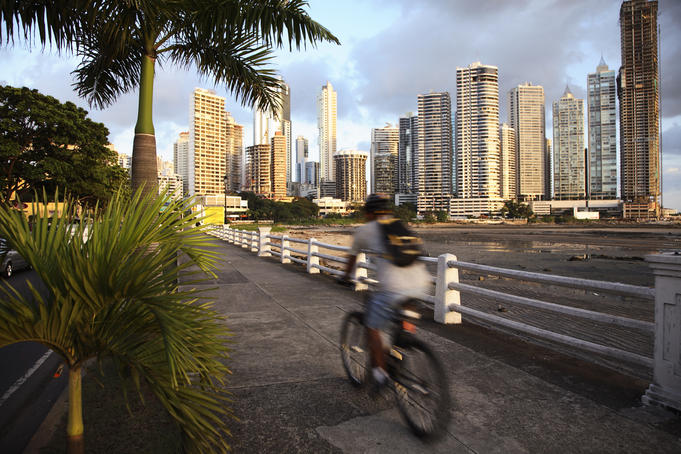
Introducing Panama
Travel Alert: Some areas of Panama are risky for travellers; see the Dangers & Annoyances section for details. 
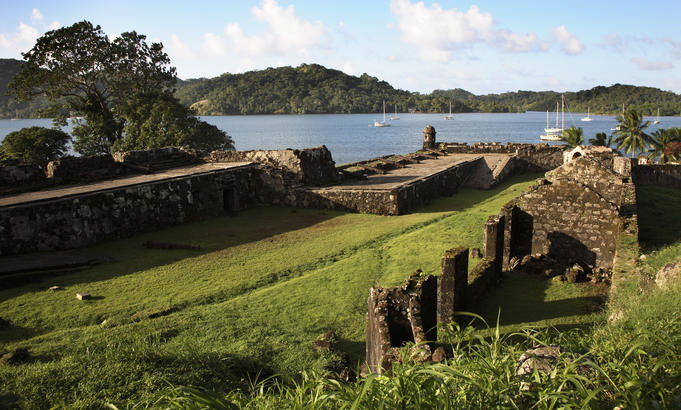
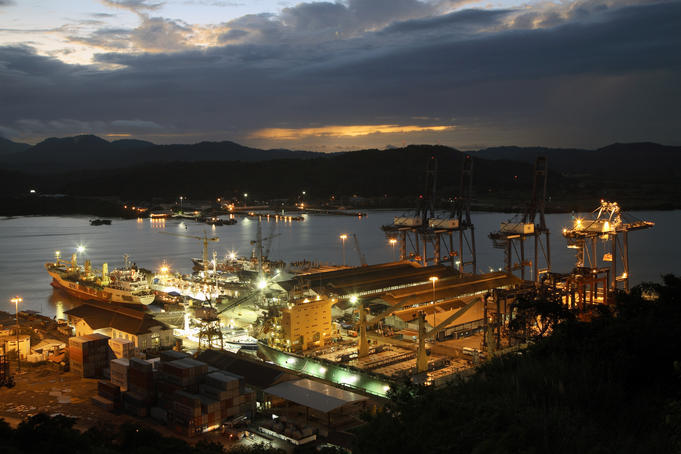
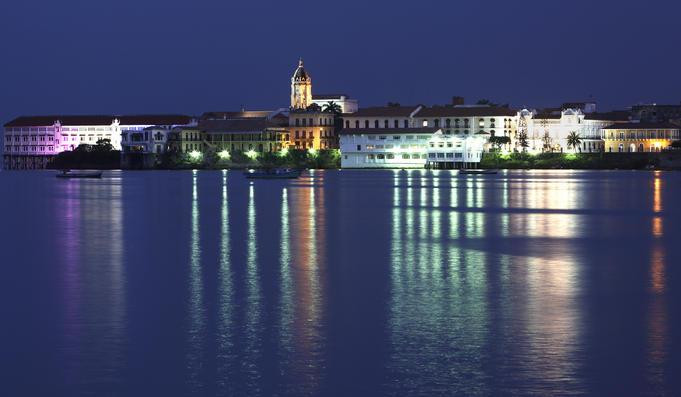
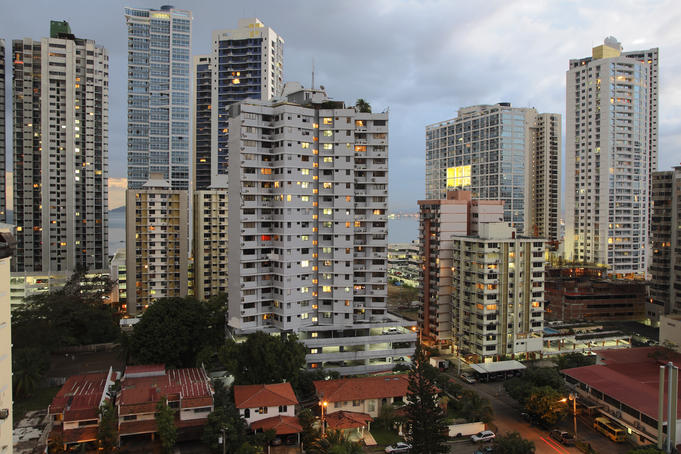
Unfettered by tourist crowds, Panama’s natural gifts shine. Although most backpackers to Central America set their sights on tourist-soaked Costa Rica and Guatemala, it’s hard to shake the feeling in Panama that you’re in on a secret the rest of the traveling world has yet to discover. Although the ‘gringo trail’ has already swung south to the Caribbean archipelago of Bocas del Toro, the careless overdevelopment plaguing most Costa Rican beach towns is still refreshingly absent here. In fact, Panama’s highlights are still very much off-the-beaten-path destinations, though it’s likely that this will change in the years to come.

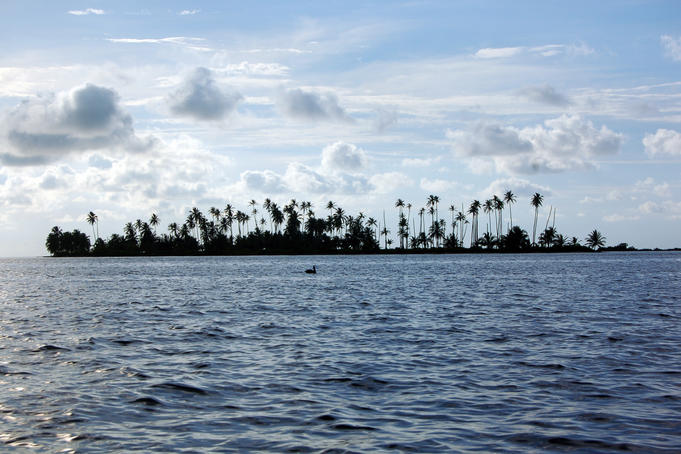
Until its anticipated tourism boom explodes, however, Panama remains accessible to backpackers on a budget, and there’s no shortage of beaches, mountains and rain forests to explore. The Archipiélago de las Perlas in itself could occupy your entire trip, with its endless islands and islets, sublime beaches and pristine waters. Parque Nacional Volcán Barú is home to Panama's only volcano and some incredibly scenic trekking opportunities, while the Interior is a veritable bonanza of colonial towns, exquisite handicrafts and the country's friendliest people. Panama is also home to one of Central America’s most independent indigenous groups, the Kuna, who live autonomously in the Comarca de Kuna Yala; as well as one of the last true frontiers in the Americas, the infamous Darién Province.


Nicaragua

Introducing Nicaragua

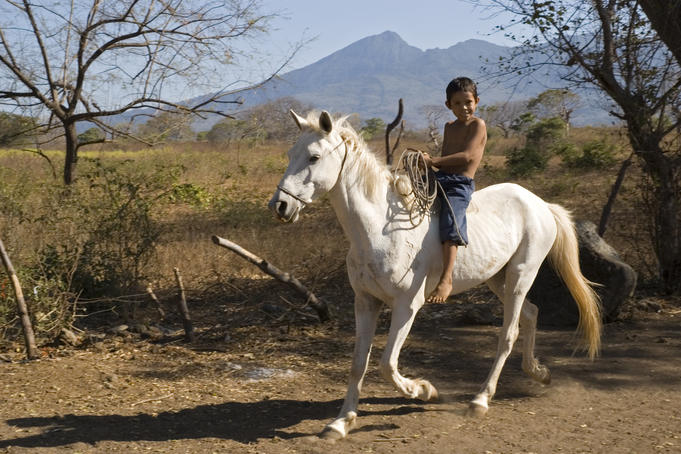
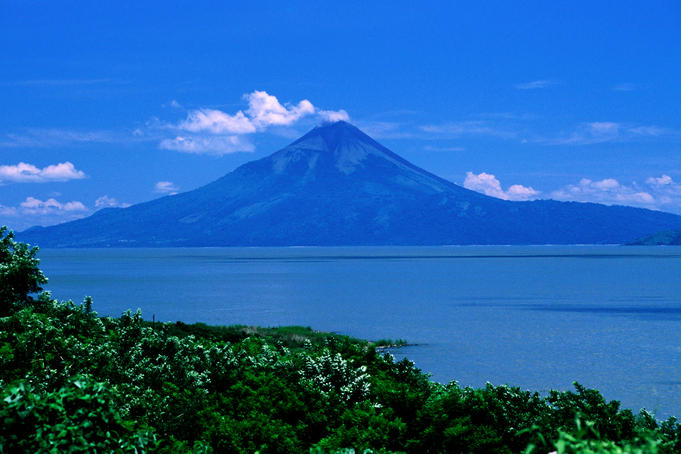
Smoking Volcán Concepción and her almost perfect cinder cone rise from silvery, pure Lago de Nicaragua to pierce the cloudy sky. 'Land of Lakes and Volcanoes' indeed, you think, as the rolling waves of Cocibolca (an ancient indigenous name for this 'Sweet Sea') rock your suddenly tiny ferry into unspeakable admiration. For these symbols of the nation - wind over water, fire from the earth - convey the elemental significance of Nicaragua's most powerful passions, poetry (don't get them started, unless you want to) and revolution.
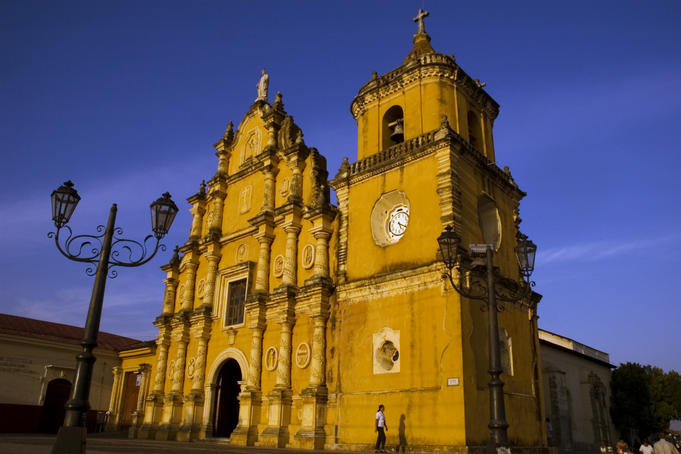
If you climb Concepción you'll look out over gorgeous colonial Granada and her hundreds of tiny tropical isletas (islets), across the slender isthmus pockmarked with crater lakes to where the Pacific breaks hollow on sandy cove beaches. Beyond, red-and-black Volcán Momotombo towers above Lago de Managua - its counterpoint is Sandino's massive iron silhouette, conscience of the nation and solemn defining feature of the Managua skyline. Proud León also beckons with its churches and museums, while the cloud forests, frothing waterfalls and incredible coffee of cool, green Northern Nicaragua may tempt you upwards. Here, in the mountains and lakes, Central America's mightiest rivers begin their journey across the autonomous, indigenous-owned rolling hills of the Caribbean Coast, to the sea.

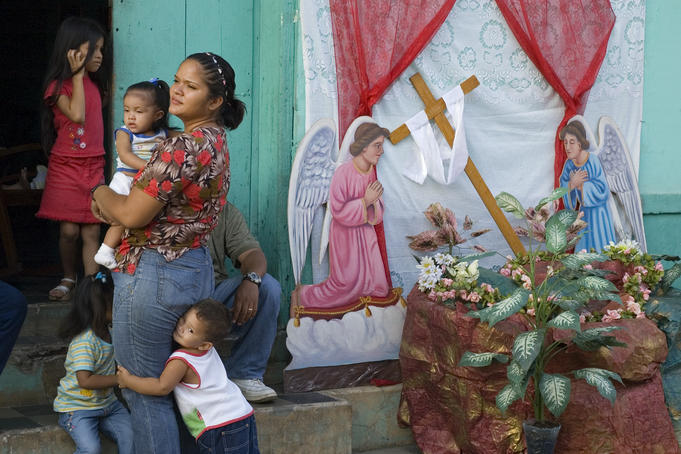
For visitors of a certain age, just the name Nicaragua - taken from a tribal chief of such wisdom and power that he may never fade from this nation's collective memory - evokes grainy footage of camouflage-clad guerrillas, punctuated by gunfire and a 1980s soundtrack. Despite having ended more than 15 years ago, leaving Nicaragua one of the safest countries in the Americas, the Contra War is too often our collective memory of the land of Nicarao.


Honduras

Introducing Honduras

Like its neighbors, Honduras is experiencing tremendous changes: an expanding tourist economy (cruise ships in Roatán?!), a maturing political scene, and the whole globalization thing, including maquilas, free trade agreements – heck, even implementing Daylight Savings Time for the second time. Honduras remains deeply entrenched in a two-front war against gangs and HIV/AIDS. Illegal logging is emerging as another major concern (do you know where that new mahogany chest came from?) and a key issue among Honduras’ growing environmental community.
Even so, most Hondurans you’ll meet are very laid back and, while not disinterested, certainly disinclined to make much to-do over politics and world affairs. And aside from the people-pull, nature has its own drawcards here in Honduras. Parque Nacional Jeannette Kawas offers up white-sand beaches, great snorkelling and howler monkeys galore and Lago de Yojoa in Honduras' lake region has world-class bird-watching, waterfalls and outstanding national parks. Backpackers love Utila for its cheap eats, great accommodation and terrific diving.

Honduras today is a place of change, too fast for those who’d like the country to remain ‘undiscovered’, too slow for those frustrated by persistent remnants of the ‘Banana Republic’ days, whether in undue foreign influence or lax enforcement of environmental laws. Hondurans themselves take it all in their stride, and travelers with an open mind and a bit of Spanish will find many fascinating conversations in store.


Guatemala

Introducing Guatemala
Criminal activity is a problem in parts of Guatemala, see the Dangers & Annoyances section for details.
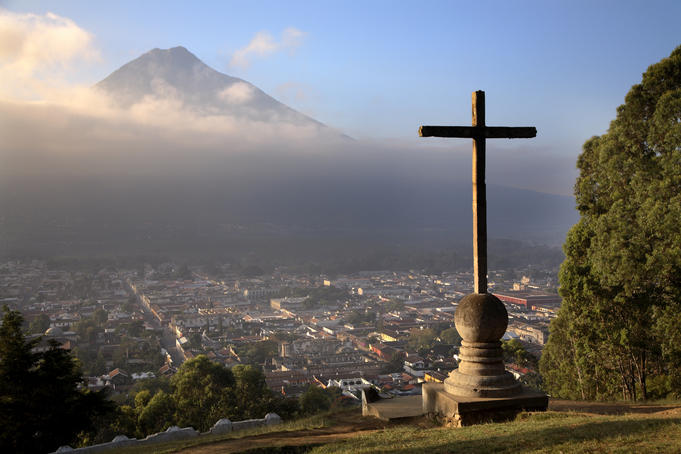
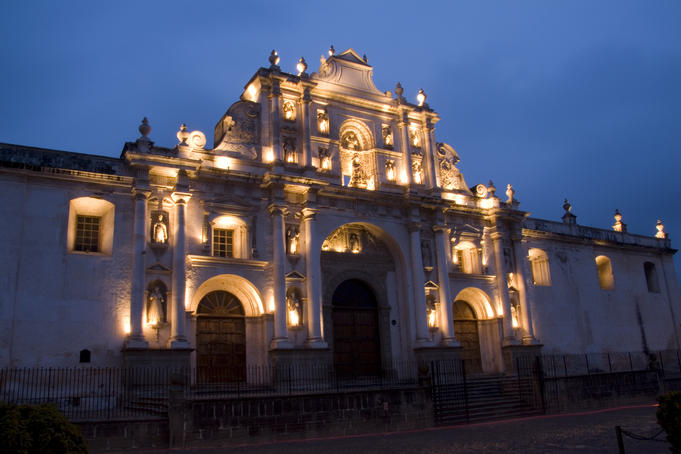
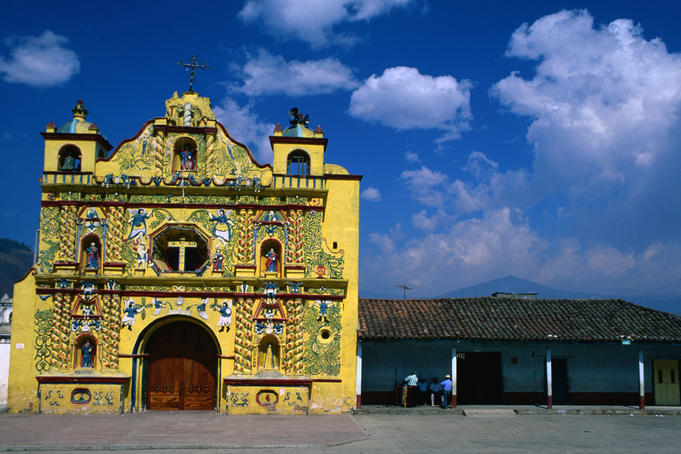
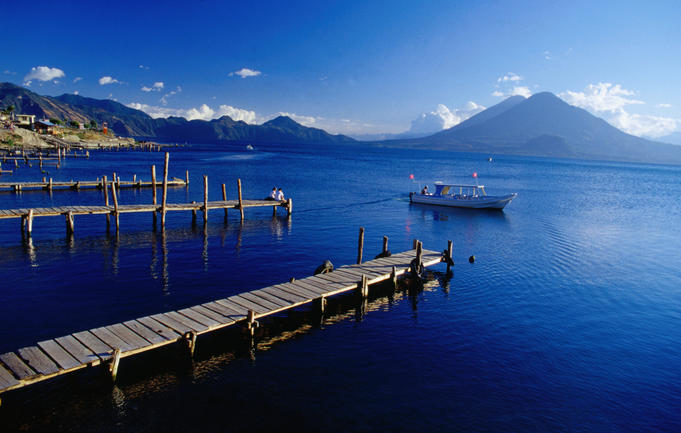
Guatemala is a magical place. If you’re into the Maya, the mountains, the markets or a million other things, you’re bound to be captivated. People come and they stay. Or they leave and return. There's almost too much going on here, and even the shortest trip takes you completely different places, with new challenges and surprises. Students of Spanish flock to Antigua, a gorgeous town nestled between three volcanoes, while those travelers seeking more off-the-beaten-track destinations might head to lesser known places like Lago de Izabal or Nebaj, a Maya village hidden in a remote fold of the Cuchumatanes mountains. And sooner or later, just about everyone ends up in the Highlands – Lago de Atitlán being an irresistable drawcard...

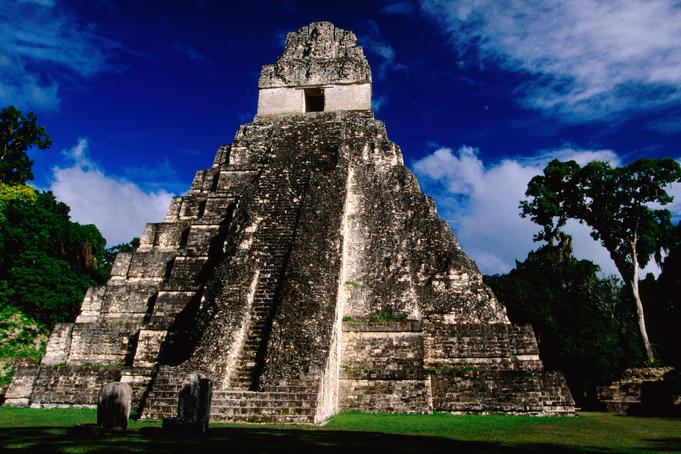
Guatemala's Maya heritage is everywhere. El Petén's remote archaeological sites are unmissable; the fascinating town of Chichicastenango adheres to pre-Hispanic beliefs and rituals even now. Santa Lucía Cotzumalguapa, on the other hand, provides a glimpse into the mysterious Pipil culture, with some interesting carved stone heads and relief scenes to be found in fields and fincas (plantations) around town.

Sure, Guatemala’s got its problems (most visible in its sprawling capital, Guatemala City), but it isn’t the scary place your mother fears it is. Travel here, once dangerous and uncomfortable, is now characterized by ease – you can do pretty much whatever you want, and will only be limited by your imagination.


El Salvador

Introducing El Salvador

Travel Alert: Criminal activity is a problem in El Salvador; see the Dangers & Annoyances section for details.
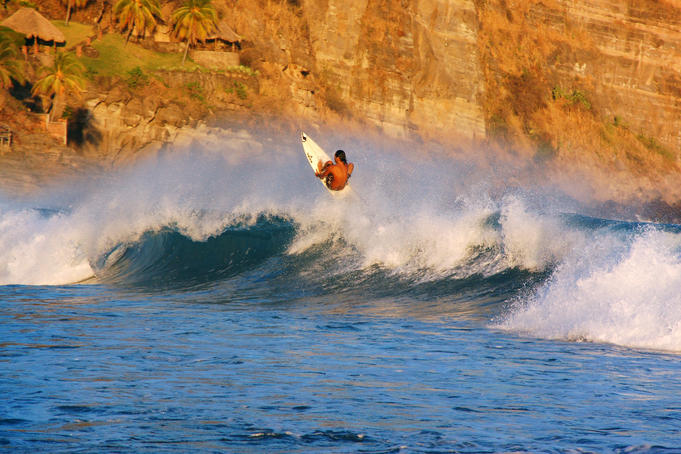
El Salvador sneaks up on you: in lefty lounge bars in San Salvador, at sobering museums and war memorials, and along lush cloud-forest trails; it's a place of remarkable warmth and intelligence, made all the more appealing for being so unexpected. Travellers tend to skip El Salvador, wooed by marquee destinations such as Guatemala and Costa Rica, and unnerved by stories of civil war and gang violence. But the war ended almost 20 years ago, and crime, while serious, is almost exclusively played out between rival gangs; tourists are virtually never involved. And though El Salvador has fewer protected areas than its neighbors, you get them practically to yourself – including pristine forests, active volcanoes and sparkling lakes. The only place you might find a crowd is on Punta Roca, El Salvador’s most famous surfing spot – it happens to be one of the best right point breaks in the world, yet is a ghost town compared to lesser swells in Costa Rica and elsewhere. And when it comes to cities, none in Central America is smarter or cooler than San Salvador, with first-rate universities, museums and galleries, a vibrant bar and live-music scene, and an array of progressive NGOs, both local and international.  


Costa Rica

Introducing Costa Rica

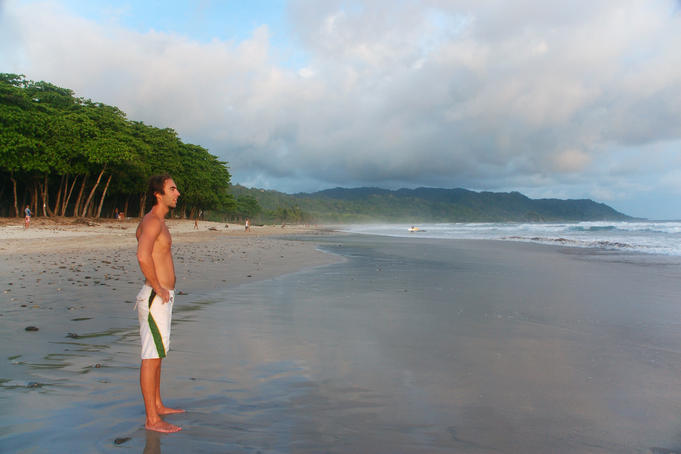
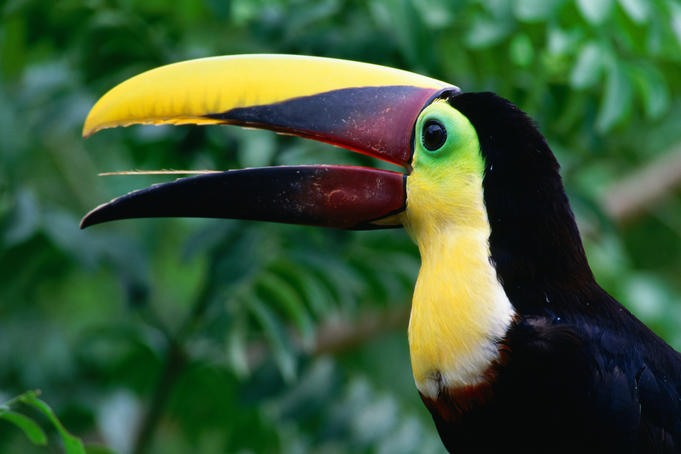
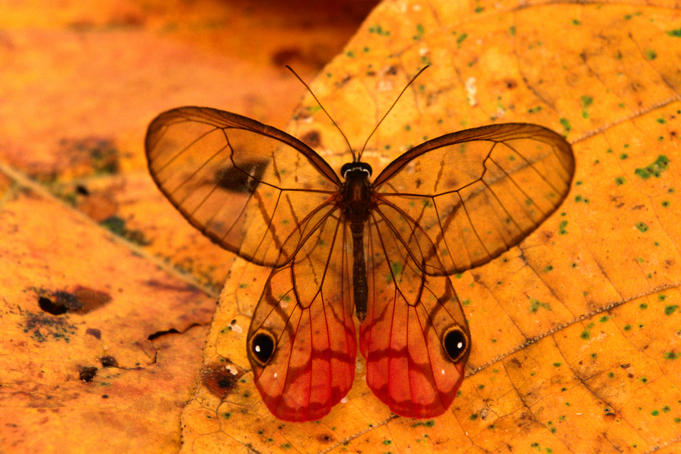
Mention Costa Rica and people think paradise. The country’s Disneylike cast of creatures – ranging from howler monkeys to toucans – are populous and relatively easy to spot. The waves are prime, the beauty is staggering and the sluggish pace seductive. A peaceful oasis in a tumultuous region, this tiny nation draws 1.5 million visitors every year. 

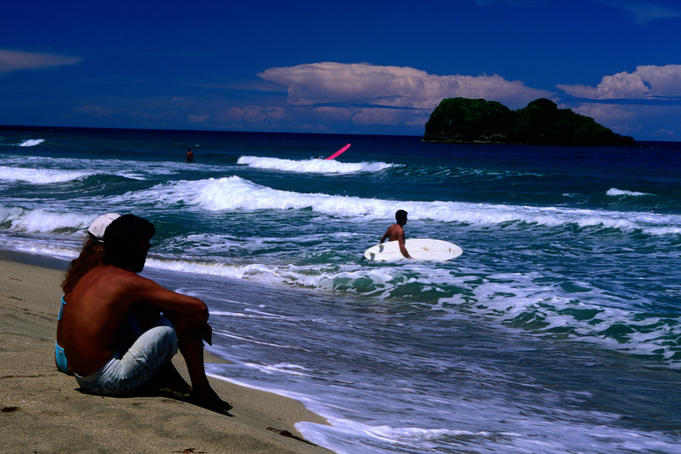
What’s on tap? The question is what isn’t? Active travelers can surf, hike, snorkel and spot wildlife for starters. The incredibly varied topography means you can cruise the cloud forest one day, visit an active volcano the next, and finish relaxing on a hot sandy beach. Adrenaline junkies have a myriad ways to make mothers worry – among them zipping through canopy lines hundreds of meters long and riding the rough surf of the Pacific. Choice and variety name the game.

Of course, the frenzy to snatch up a piece of Shangri-la has its consequences. Since the boom, tourism is more chic and less cheap. Classic destinations are now crowded destinations and local culture is often lost or cast aside. Lucky for Costa Rica that its do-gooder fans, ranging from ecologists to proud Ticos (Costa Ricans), are vocal and vigilant. Nature here suffers its blows, like everywhere, but at least it is taken seriously.


Belize


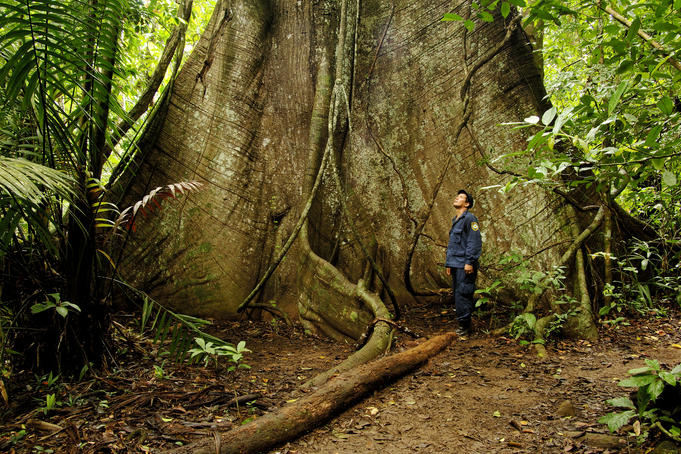
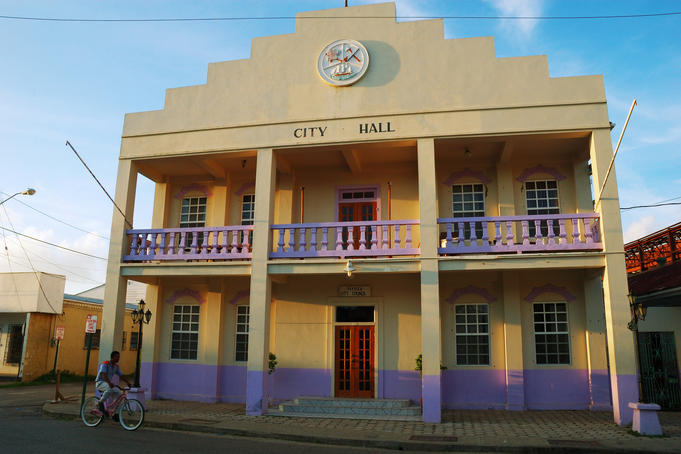
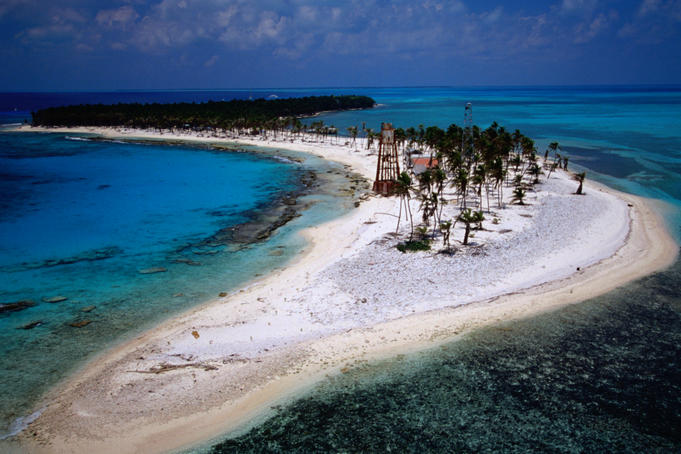
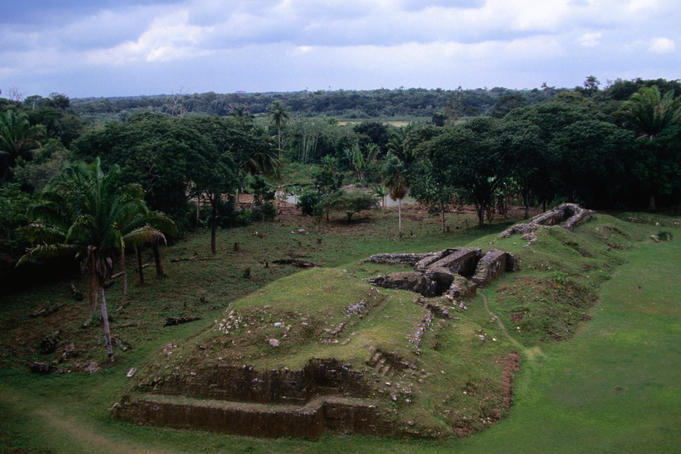
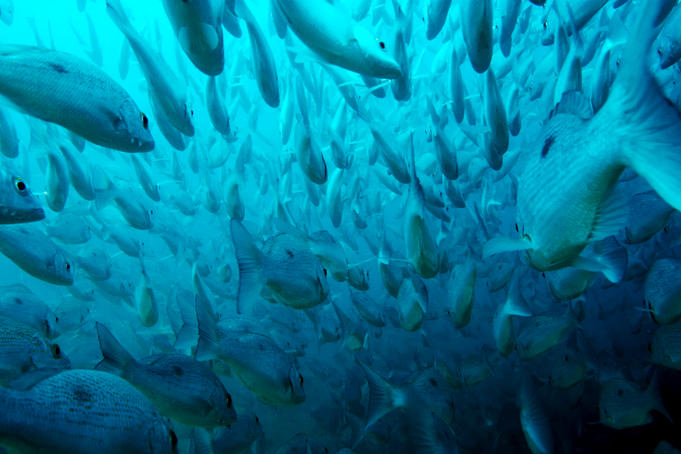
With one foot planted in the Central American jungles and the other dipped in the Caribbean Sea, Belize blends the best of both worlds. Offshore, kayakers glide from one sandy, palm-dotted islet to another, while snorkelers swim through translucent seas, gazing at a kaleidoscope of coral, fish, dolphins and turtles. Inland, explorers investigate ruins of ancient civilizations, and birders aim their binoculars at some 570 species. Between national parks, wildlife sanctuaries and marine reserves, more than 40% of the country’s area is protected in one form or another, creating a haven for countless creatures of land, sea and sky.

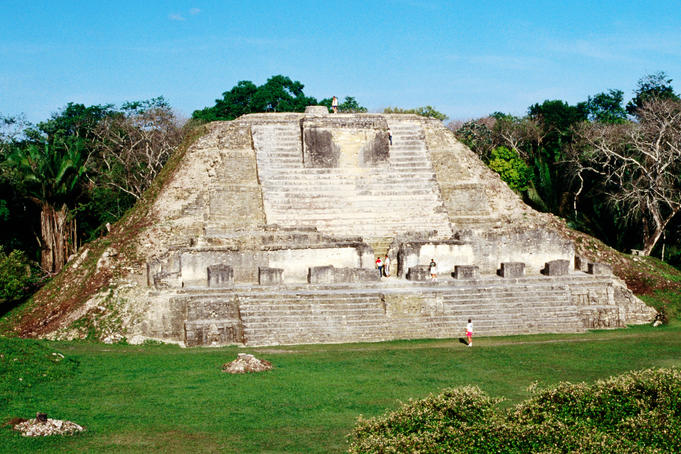
Belize attracts more than 850,000 annual visitors eager to explore the mysteries of Maya sites such as Altun Ha or Lamanai, spot a toucan in the bird-watcher's paradise that is Crooked Tree Wildlife Sanctuary, snorkel the reef off Caye Caulker or the Northern Cayes, and otherwise partake of paradise. Tourism is the country’s top source of employment and investment. The irony is that it is also the country’s biggest environmental threat.


Belize does not yet have the infrastructure to support the massive numbers of tourists that arrive, especially by way of cruise ships. It does not have the resources to truly protect its sanctuaries and reserves and their inhabitants. And it does not have the political will to stop the rampant coastal development, which would mean turning down millions in investment dollars. According to sources such as Tropical Conservation Science, as much as 80% of coastal land has already been sold to foreign interests with the intention of building condos and resorts.

Fortunately, Belizeans are environmentally aware and indefatigably active. Thanks to a progressive populace, Belize offers myriad ways for travelers to tread lightly, from beach resorts powered by solar energy to jungle lodges built from reclaimed hardwoods. Licensed guides not only direct, but also educate their clients – about the fragility of the reef, the medicinal uses of flora and the threats to the jaguar’s habitat.

It’s never easy to maintain the delicate balance between preserving natural resources and cashing in on economic opportunity. But most Belizeans are proud of their natural heritage and they recognize that the goals of environmental conservation and economic prosperity are not mutually exclusive. This is the enlightened approach that has earned Belize its reputation as a paradigm of ecotourism.

Sub Umbra Florero reads the motto on the Belizean flag. It refers to the mighty mahogany tree, and it means ‘Under the shade, I flourish.’ The mahogany may not be as prevalent as it once was, but with its loss has come an understanding of its value. Belizeans recognize that their country’s greatest asset must be respected and protected, and that tourists have an important role to play.

It’s no wonder that Belizeans extend such a warm welcome to travelers. These easy-going people are eager to share – the staggering scenery, the bountiful biodiversity, all that exists in the shade of the mahogany tree.


Maui, USA

Maui, USA

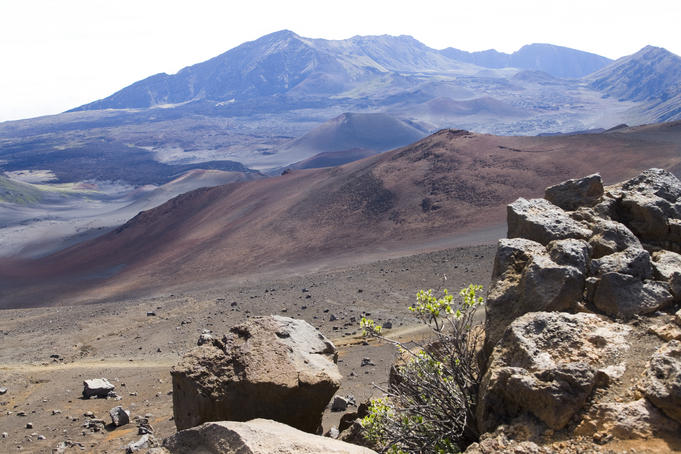
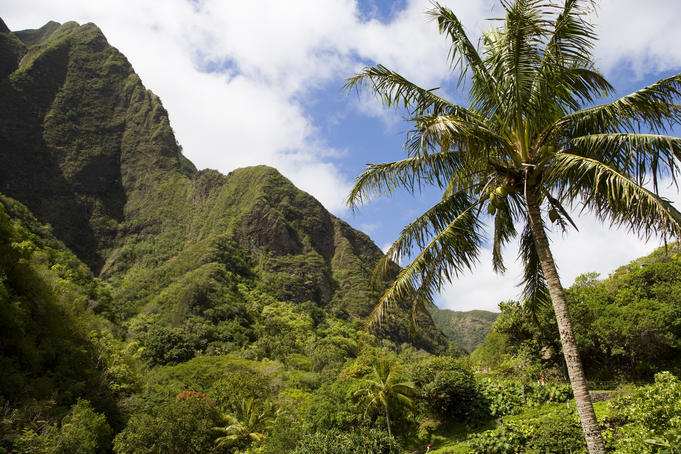
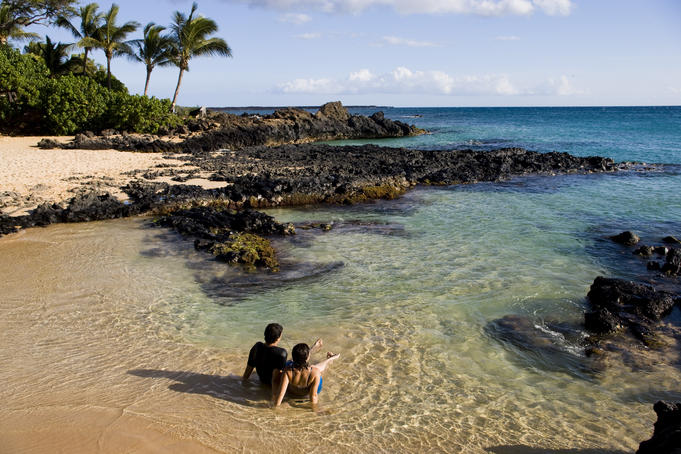
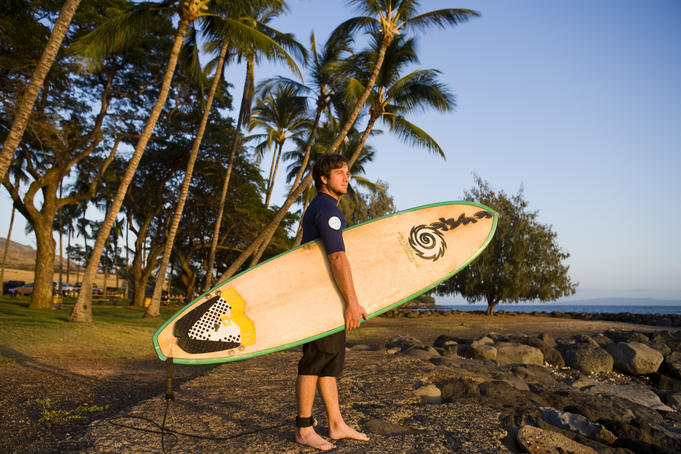
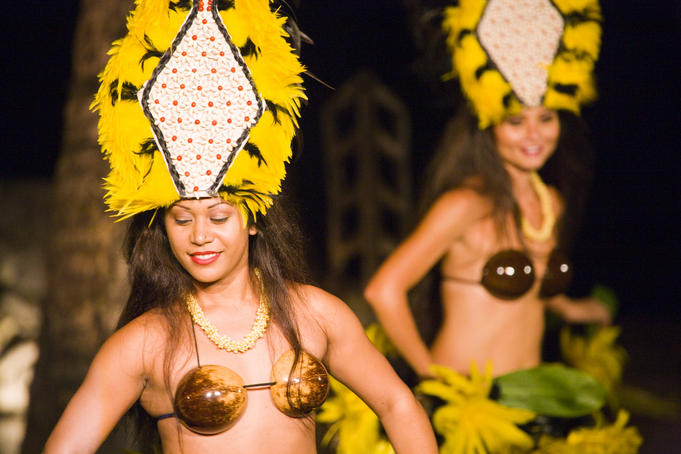
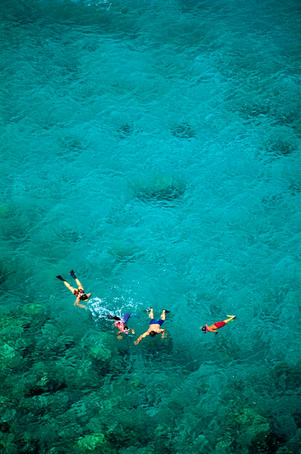
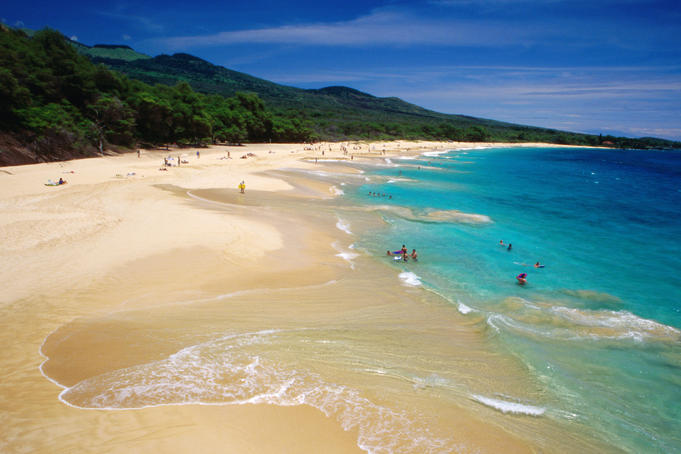
According to some, you can’t have it all. Perhaps those folks haven’t been to Maui, which consistently lands atop travel-magazine reader polls as one of the world’s best, most romantic islands. Why? Most start with its wealth of glorious beaches and go from there: luxe resorts, friendly B&Bs, gourmet cuisine, fantastic luau, and world-class windsurfing, whale watching, snorkeling, diving and hiking. Need adventure? Drive the jungly road to Hana or traverse the moonlike volcanic crater of Haleakala. Want pampering? West Maui awaits your call. Need more? Maui is the gateway to its sister islands of Moloka'i and Lana'i, which are conveniently reached by ferry. But is Maui really all that? Well, it does weave a gauzy spell that leaves most visitors more in love than when they arrived, so you’ll just have to excuse those who, when the magazines call, wax a little enthusiastic. 
As if the murmuring waves, frolicking whales, 

 waterfalls and jungles outside your door weren’t enough to get you throwing back the covers,Maui also serves up some of Hawaii’s best vistas.Try out sunrise over the volcanic crater at HaleakalāNational Park or from the spectacular road to Hana.


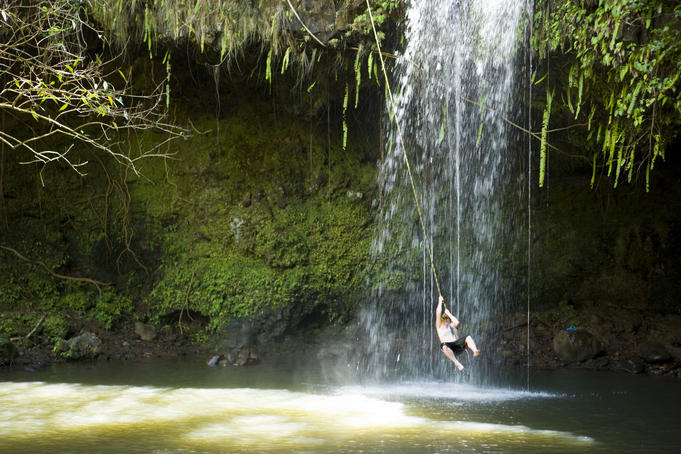
Twin Falls, East Maui


Haleakala National Park, Maui


  Wailuku, Maui


Secret Cove, South Maui 


Lahina, West Maui


 Old Lahaina Luau, Maui


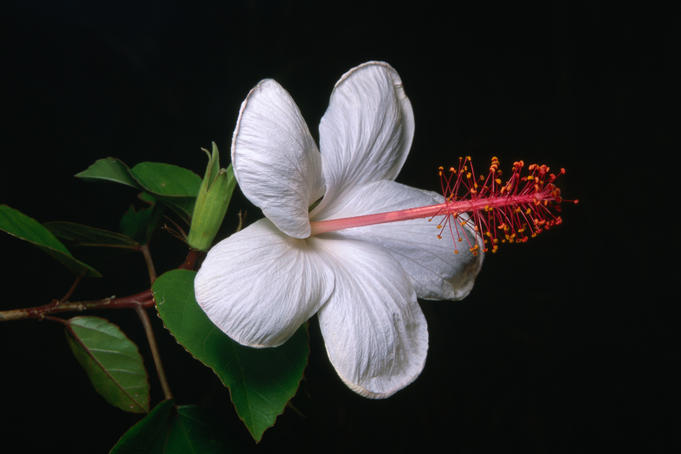
 Kokio Keokeo blossom, Maui


Honolua Bay, Maui


 Big Beach, Maui


 Canoes, Maui